A Reimagined Episode of Pingjiang
9/13-10/3/2025
Three Shadows Photography Centre, Beijing
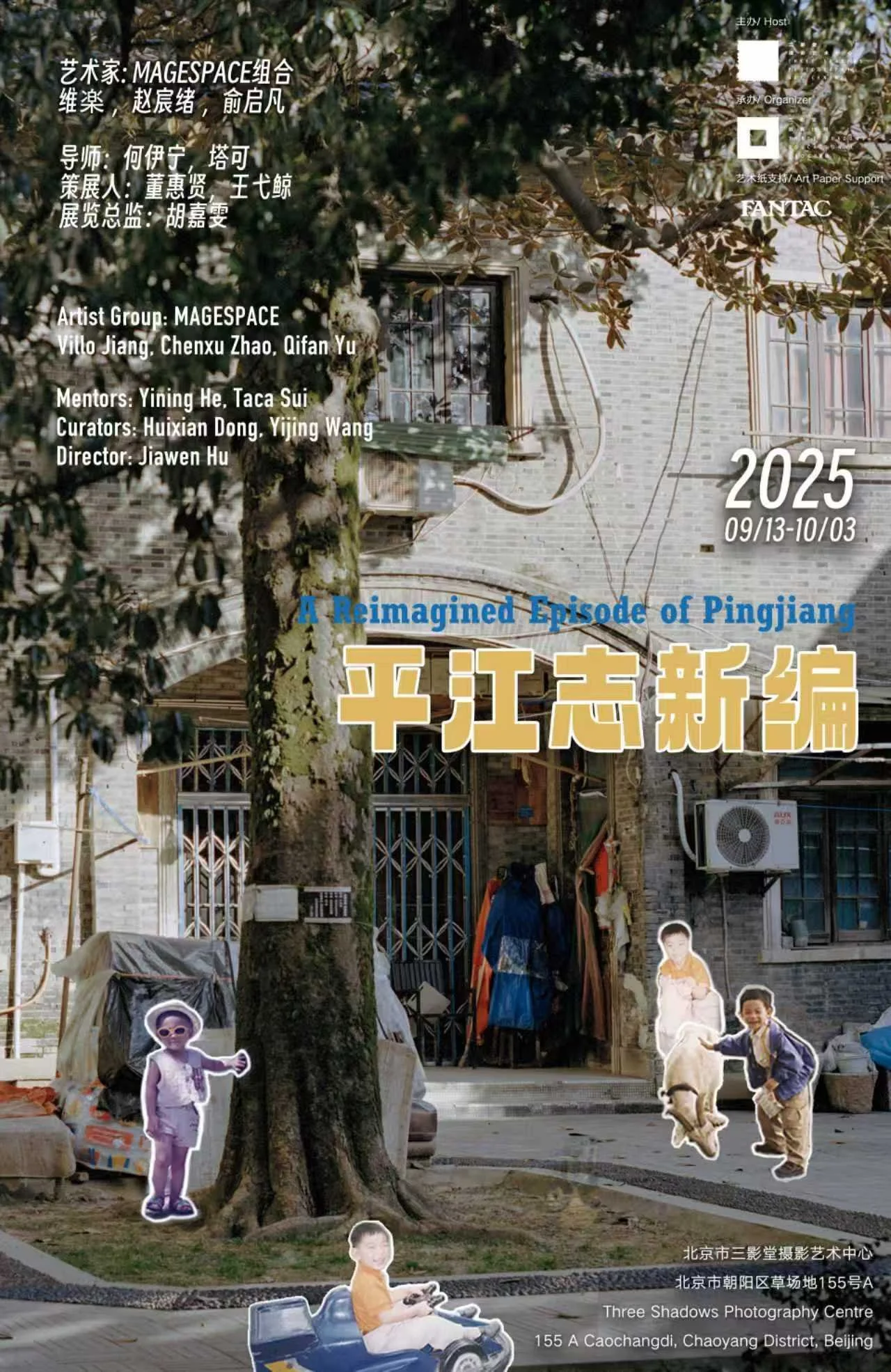
A Reimagined Episode of Pingjiang
“The Prefectural Pingjiang Map. Zheng script, unknown date.”
— Sun Xingyan, Huanyu Fangbei Lu, Qing Dynasty
The Qing epigrapher Sun Xingyan documented more than eight thousand inscriptions and brick carvings from the Zhou to the Yuan dynasties in his Huanyu Fangbei Lu. Each stele’s precise location, date, and script was carefully recorded. Yet amid this vast forest of steles and overwhelming detail, the Pingjiang Map stands apart in its silence. It offers no date, no annotation, no definitive context. Confronted with this absence, the great scholar could only resign himself to note: “unknown date.” Later readers can only trace faint clues in historical texts and archival fragments, identifying Li Shouming, Prefect of Pingjiang in the Southern Song, as the official who hosted the stele-building project. Across centuries, as oceans rose, empires fell, and borders shifted, the Pingjiang Map endured—engraved with Song-dynasty modesty, gazing at the sundial’s shadow, listening to the steady beat of the night drum.
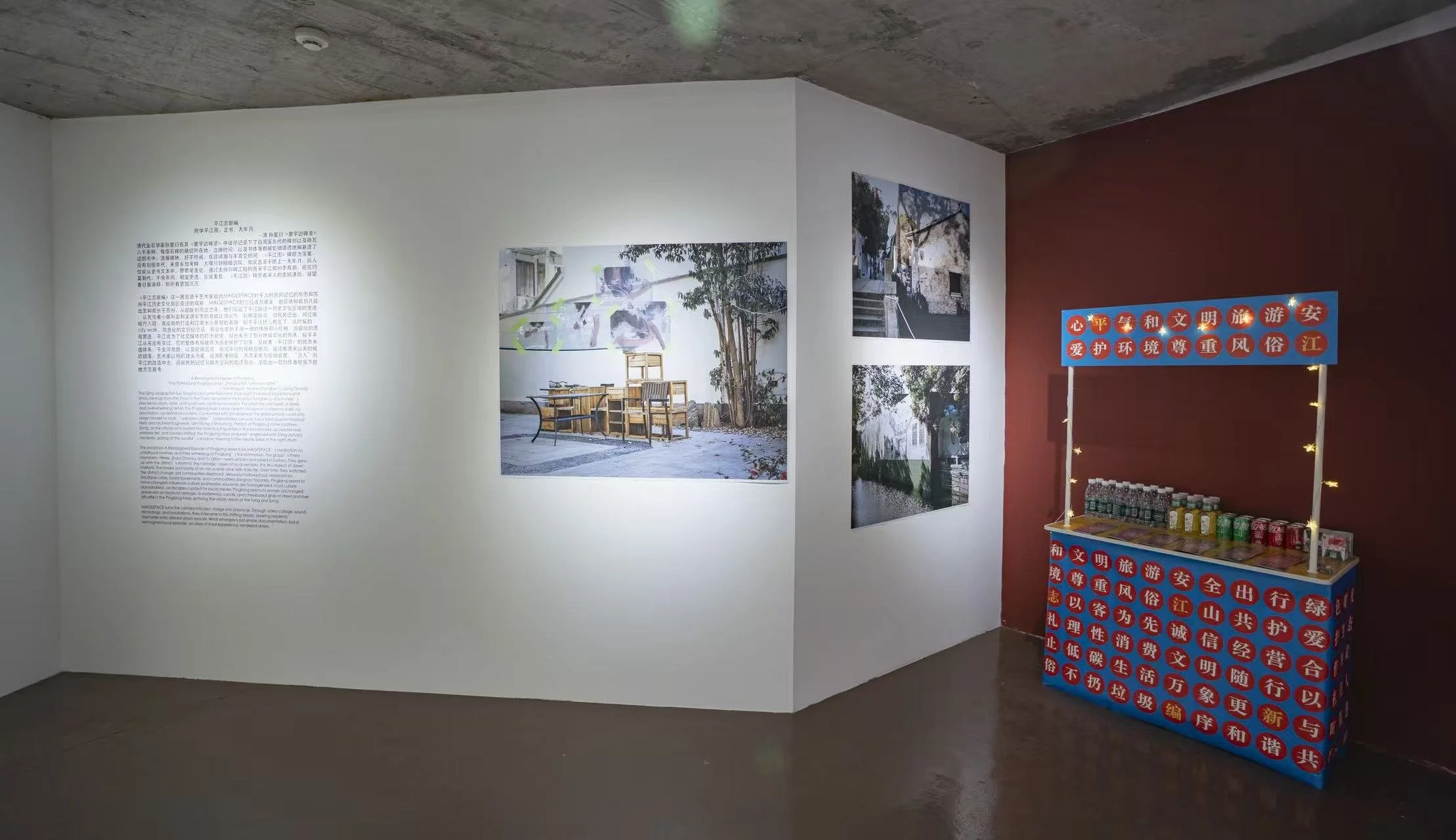
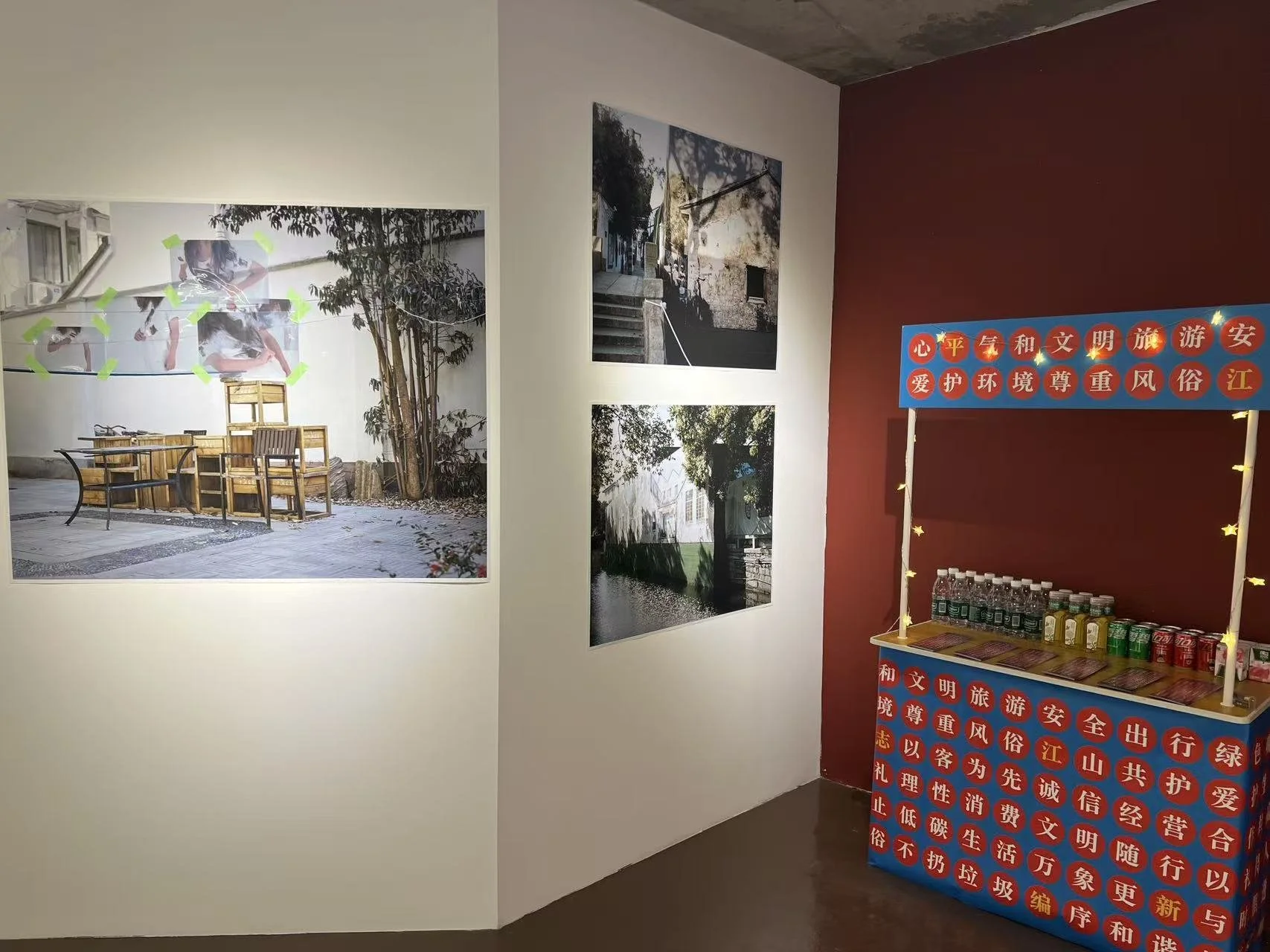
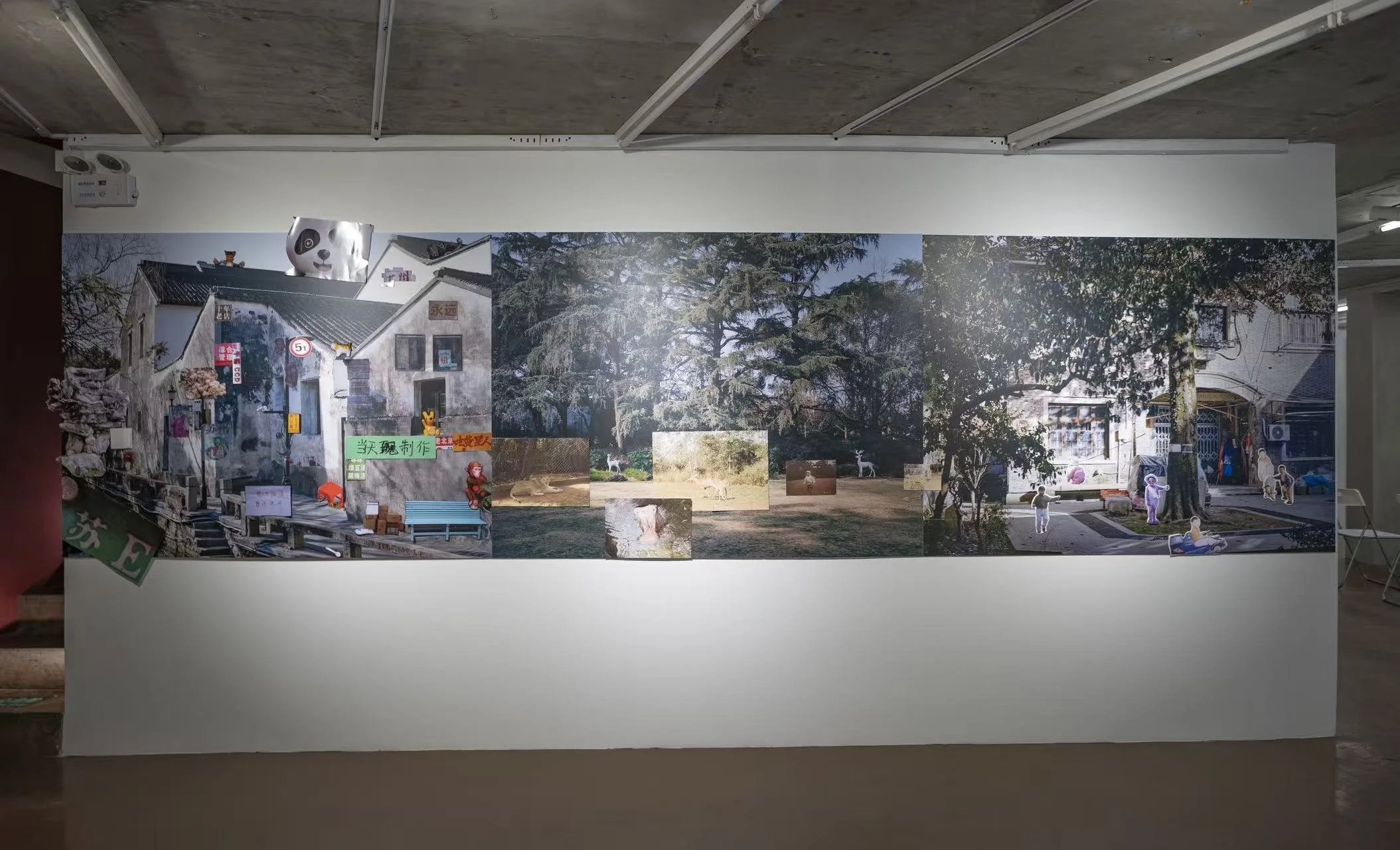
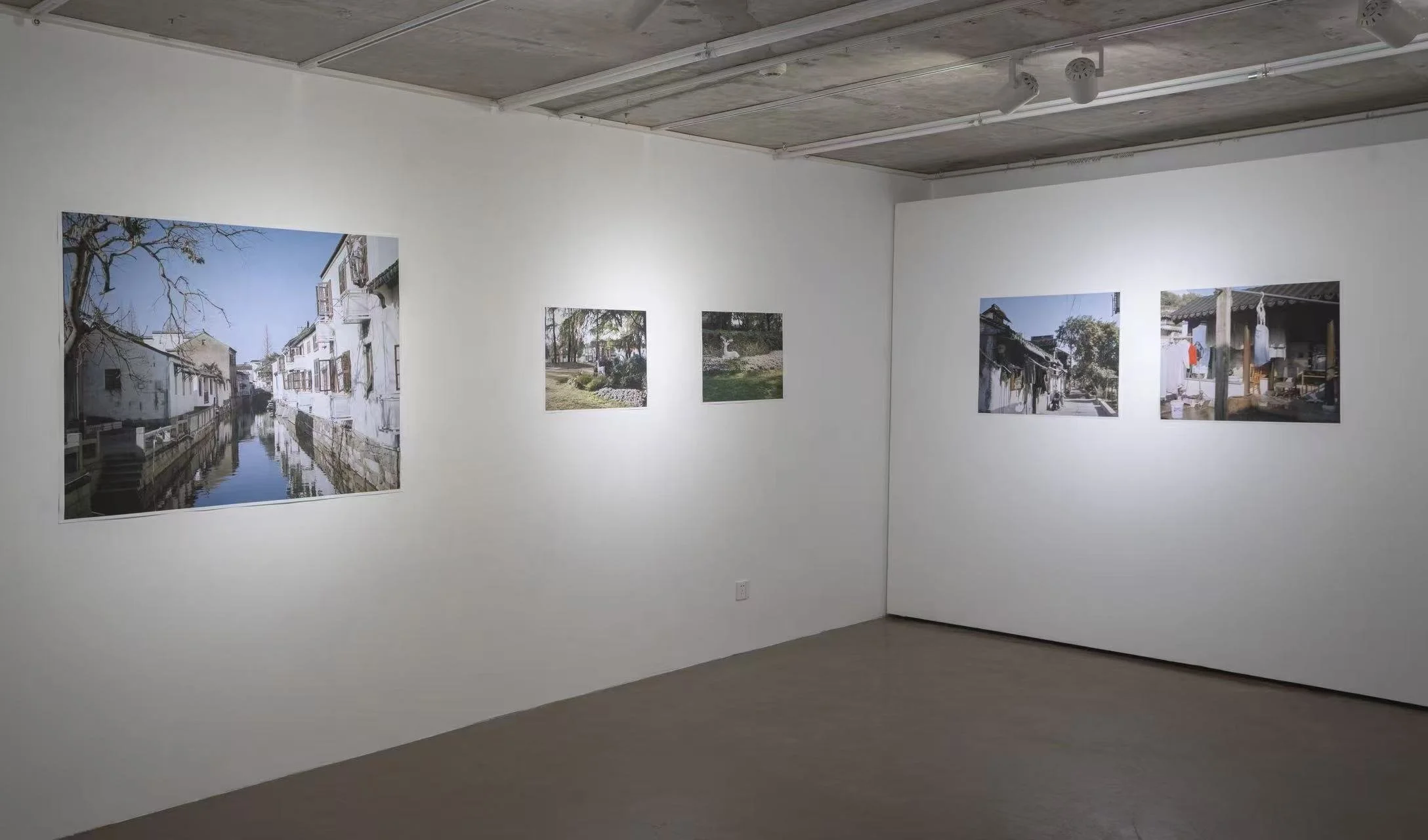
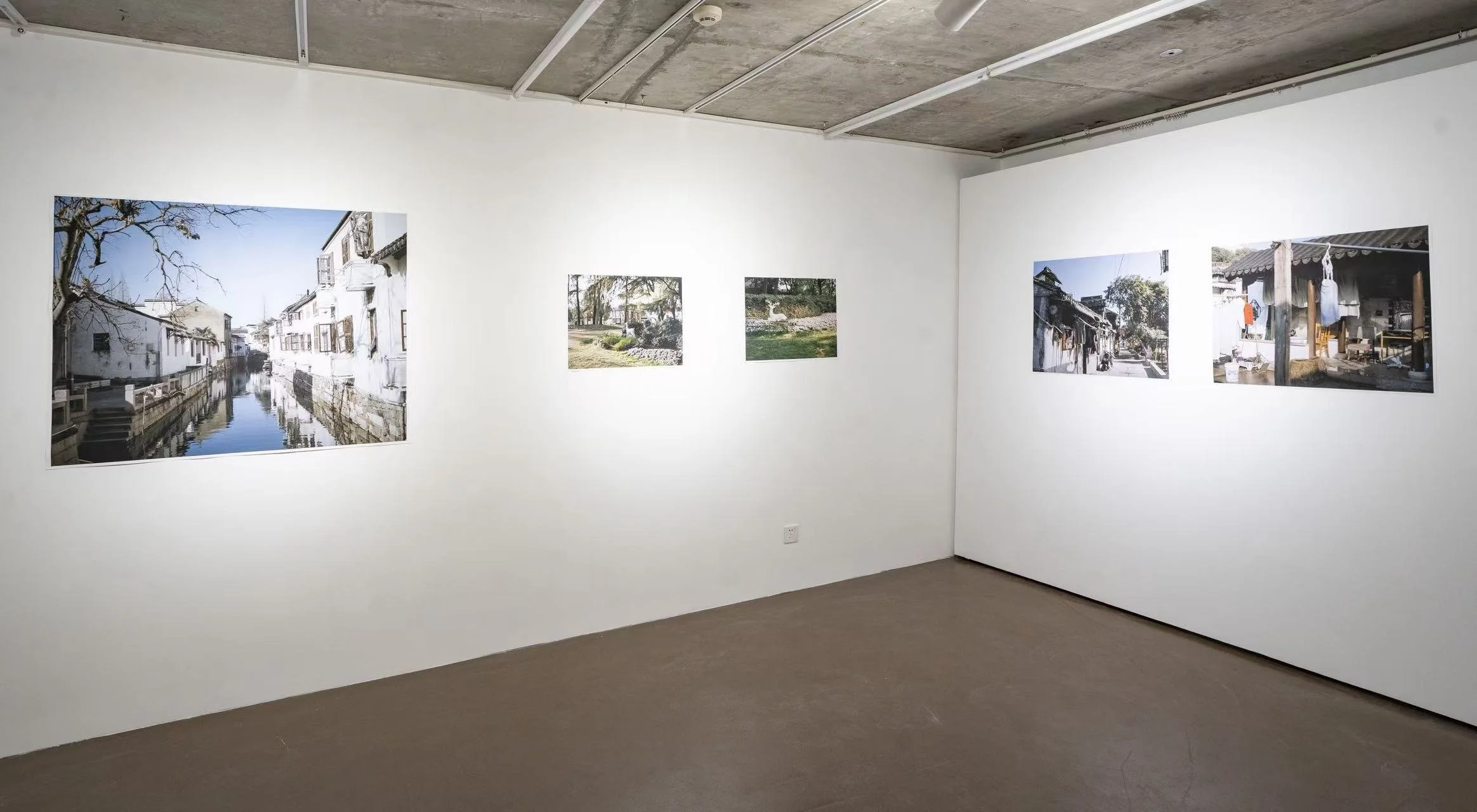
The exhibition A Reimagined Episode of Pingjiang arises from MAGESPACE’s meditation on childhood memory and their witnessing of Pingjiang’s transformation. The group’s three members—Weile, Zhao Chenxu, and Yu Qifan—were all born and raised in Suzhou. They grew up with the district’s rhythms: the nostalgic noises of local vendors, the Wu-dialect of dawn markets, the smoke and bustle of an old quarter alive with daily life. Over time, they watched the district change: old communities displaced, alleyways hollowed out, replaced by boutique cafés, tourist boulevards, and commodified Jiangnan façades. Pingjiang seems to have changed: influencer culture proliferates, souvenirs are homogenized, food culture standardized, landscapes curated for social media. Pingjiang seems to remain unchanged: preserved as historical heritage, its waterways, canals, and chessboard grids of street and river still reflect the Pingjiang Map, echoing the urban visions of the Tang and Song.
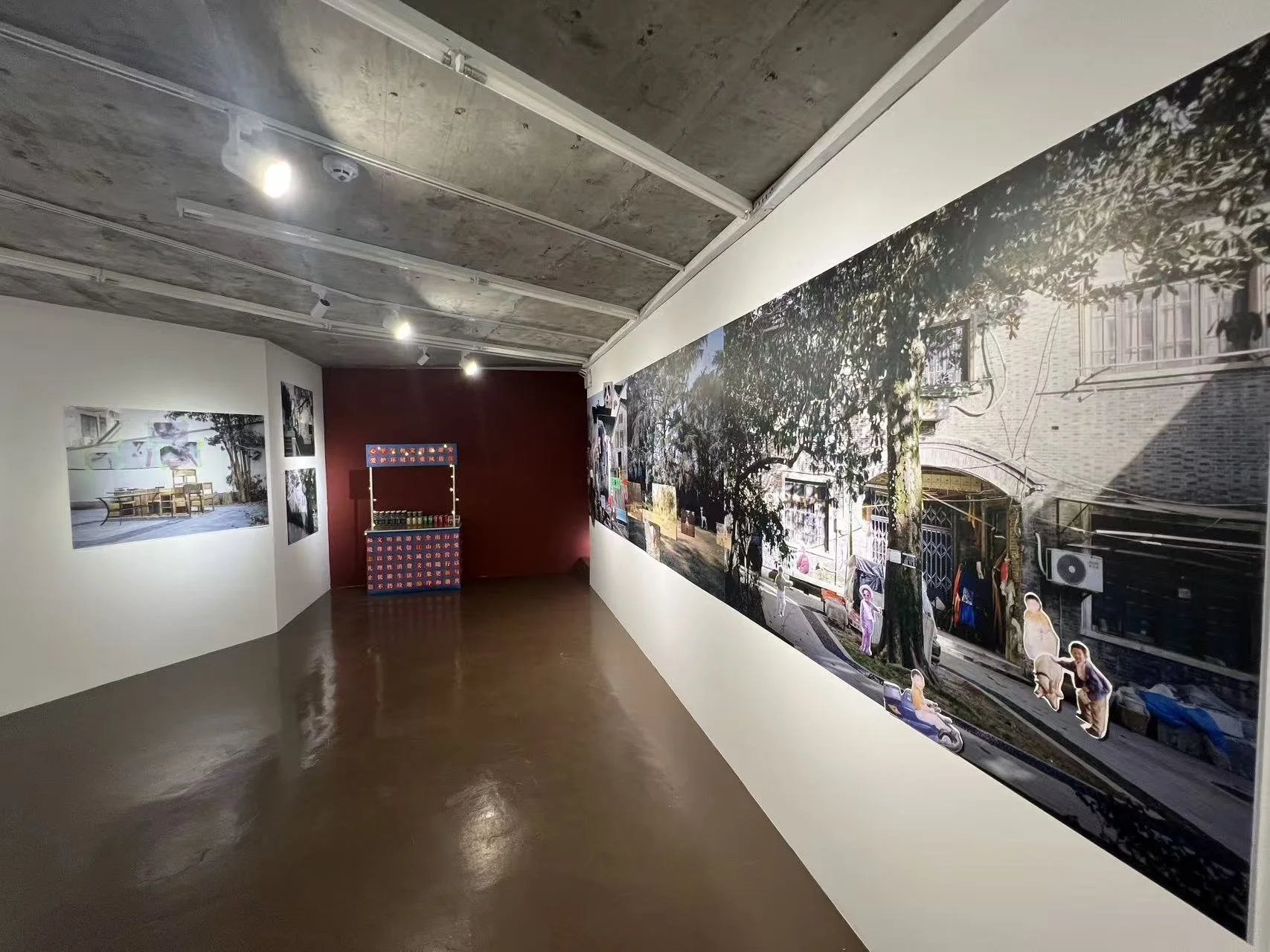
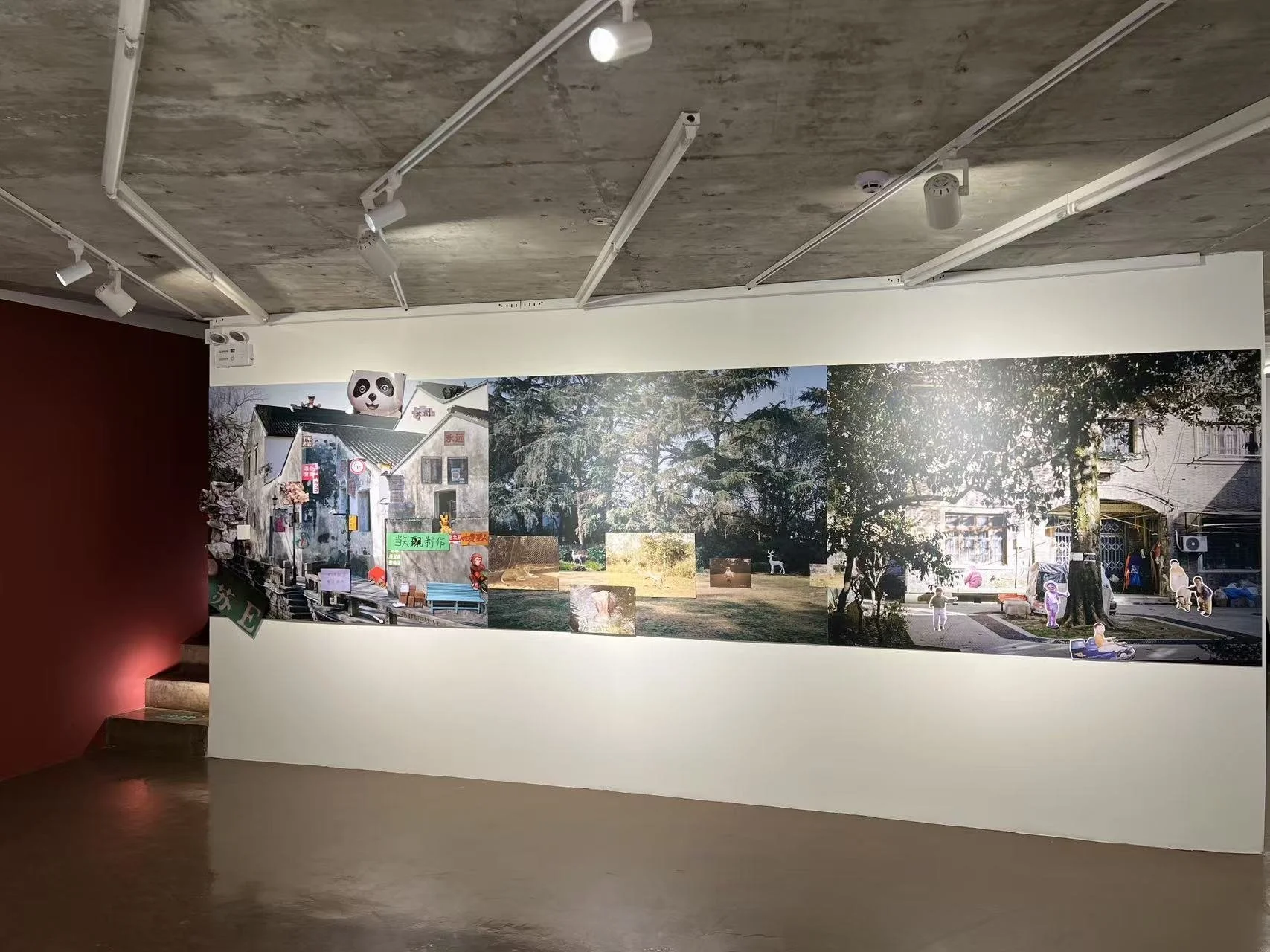
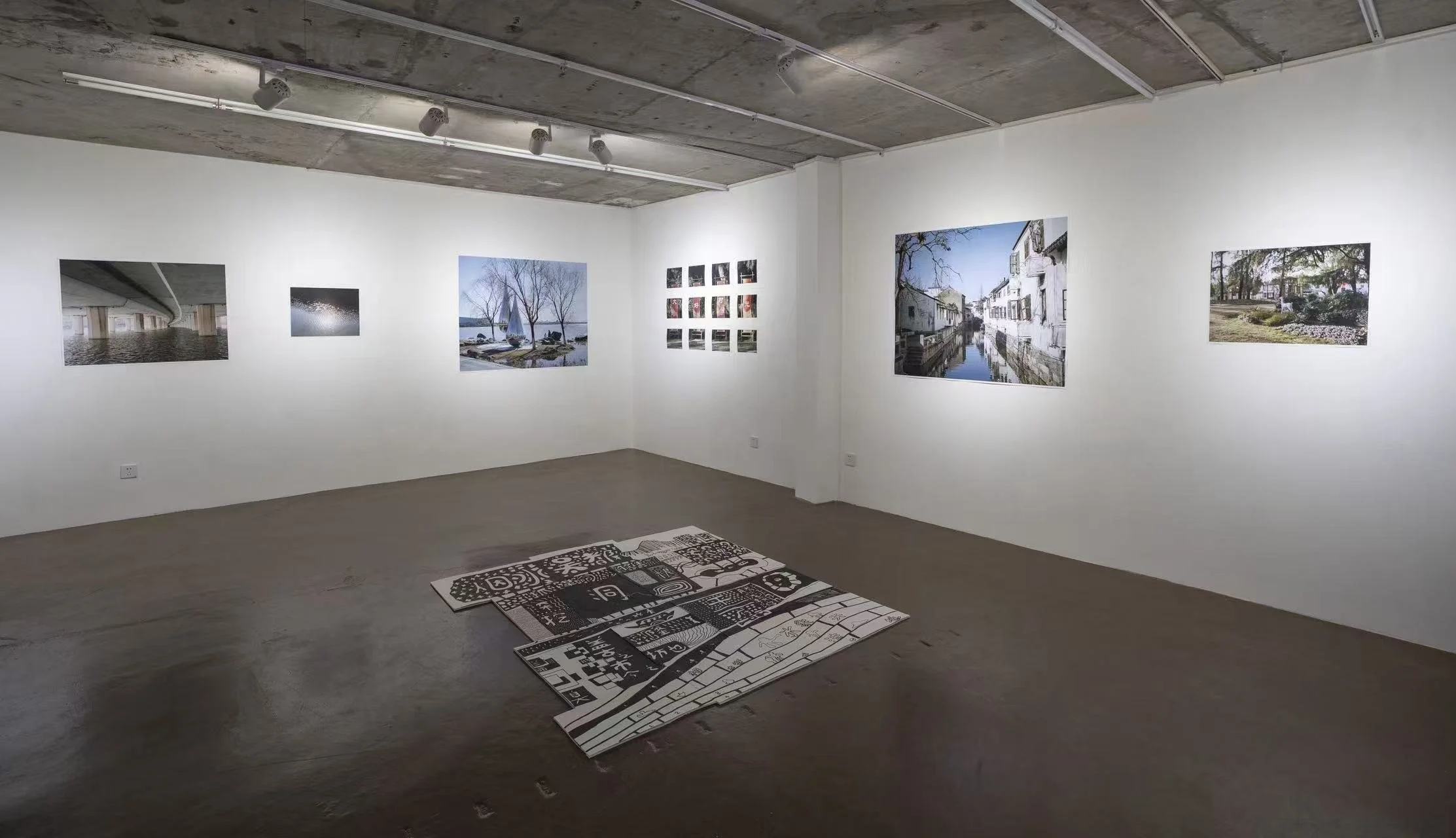
MAGESPACE turns the camera into pen, image into chronicle. Through video collage, sound recordings, and installations, they intervene in this shifting terrain, layering residents’ memories onto altered urban spaces. What emerges is not simple documentation, but a reimagined local episode, an atlas of lived experience, rendered anew.
平江志新编
府学平江图。正书,无年月。
--清 孙星衍《寰宇访碑录》
清代金石学家孙星衍在其《寰宇访碑录》中详尽记录下了自周至元代的碑刻以及砖瓦八千余种。每座石碑的确切所在地、立碑时间、以及书体等都被钜细靡遗地编篡进了这部书中。浩瀚碑林,好不热闹。在这详细与丰富交织间,《平江图》碑颇为落寞。没有刻图年代,未曾多加考释,大儒只好暗暗哀叹,如实直录于纸上—无年月。后人仅能从史书文本中,寥寥笔墨处,通过主持刻碑工程的南宋平江知州李寿朋,窥见约莫朝代。千余年间,朝堂更迭、区域重整,《平江图》碑带着宋人的委婉谦逊,凝望着日晷渐移、聆听着更鼓沉沉。
《平江志新编》这一展览源于艺术家组合MAGESPACE对于儿时共同记忆的怀思和苏州平江历史文化街区变迁的观察。MAGESPACE的三位成员维楽、赵宸绪和俞启凡皆出生和成长于苏州。从龆龀到而立之年,他们见证了平江路这一历史文化区域的更迭,从充斥着小贩叫卖和吴语早市的老城区烟火气,到腾笼换鸟、旧居民迁出,网红咖啡厅入驻、商业街的打造和江南水乡景观的名牌。似乎平江什么都变了,从时髦的city walk、同质化的文创纪念品、商业化文旅千遍一律的烤肠和小吃摊、游客化的景观营造,平江成为了社交媒体的打卡新宠,却也失去了部分地域文化的传承。似乎平江从来没有变过,它的整体布局被作为历史保护了起来,反映着《平江图》的城市水道体系、干支河原貌、以及前街后河、街河平行的双棋盘格局,延续着唐宋以来的城坊错落。
艺术家以相机镜头为笔,运用影像拼贴、声音采集与现场装置,“介入”到平江的改造中去,将居民的记忆与城市空间的变迁叠合,呈现出一部创作者视角下的地方志新考。